
PiTech News

Building Data Infrastructure for NYC FIRST: An Educational Third Space for STEM
How can we build data systems that help young people thrive in STEM? New York City’s educational landscape is full of afterschool programs, classrooms, and community hubs, but NYC FIRST’s growing network of STEM Centers occupies a unique position: it is a “third space” – not quite school, not quite home, but a vibrant, in-between environment where students, mentors, and community members collaborate, take risks, and discover their STEM identities (Bhabha, 1994; Beal, 2024).

Bridging Supportive Care and Independent Living through Smart Home Enabling Technology in IDD Residences
This summer, as a Frederick and Susan Rubinstein PiTech PhD Impact Fellow, I worked with the Center for Family Support (CFS) on a “Smart Home Integration Proposal” for residential care settings. CFS is a non-profit dedicated to promoting independence and community integration for over 1,050 people with intellectual and developmental disabilities (IDD) across New York and New Jersey through services like group homes, day programs, and self-directed support.

Understanding Technology-facilitated Abuse and Coercive Control Risks in a Generative AI World
This summer, I worked as a PiTech PhD Impact Fellow with the Clinic to End Tech Abuse (CETA) to examine how new and emerging technologies could be weaponized for interpersonal violence.

Building Multi-Agent Systems that Support Behavioral Specialists Working with People with Intellectual and Developmental Disabilities
Behavioral intervention specialists (BISs) play a vital role in supporting individuals with intellectual and developmental disabilities (I/DD), often through highly detail-oriented work. As behavioral data grows more complex, spanning longer timeframes and more individualized cases, the work becomes harder to manage. My project investigates how artificial intelligence (AI) can support BISs by reducing manual workloads, increasing operational efficiency, and improving knowledge bases to lead to better care.
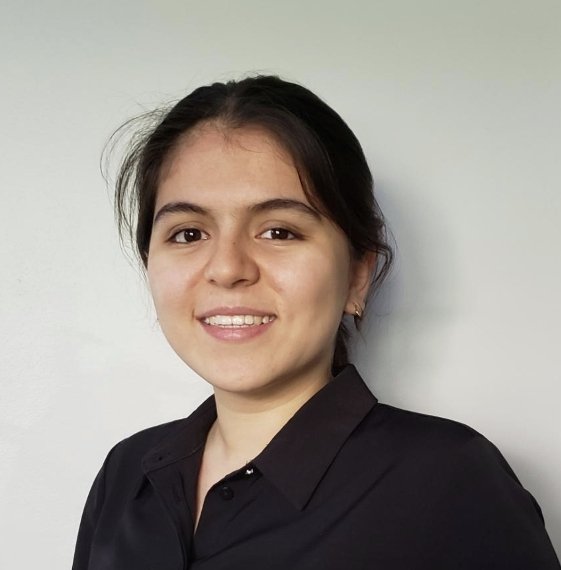
Leveraging Modern Language Modeling Technologies to Detect Duplicate Legislative Service Requests
As Siegel PiTech PhD Impact Fellow, my project this summer was to utilize modern language modeling technologies to improve the existing Duplicate Checker. This blog post explores how I approached the problem, the technologies used, and the challenges the New York City Council Data Team and I overcame.
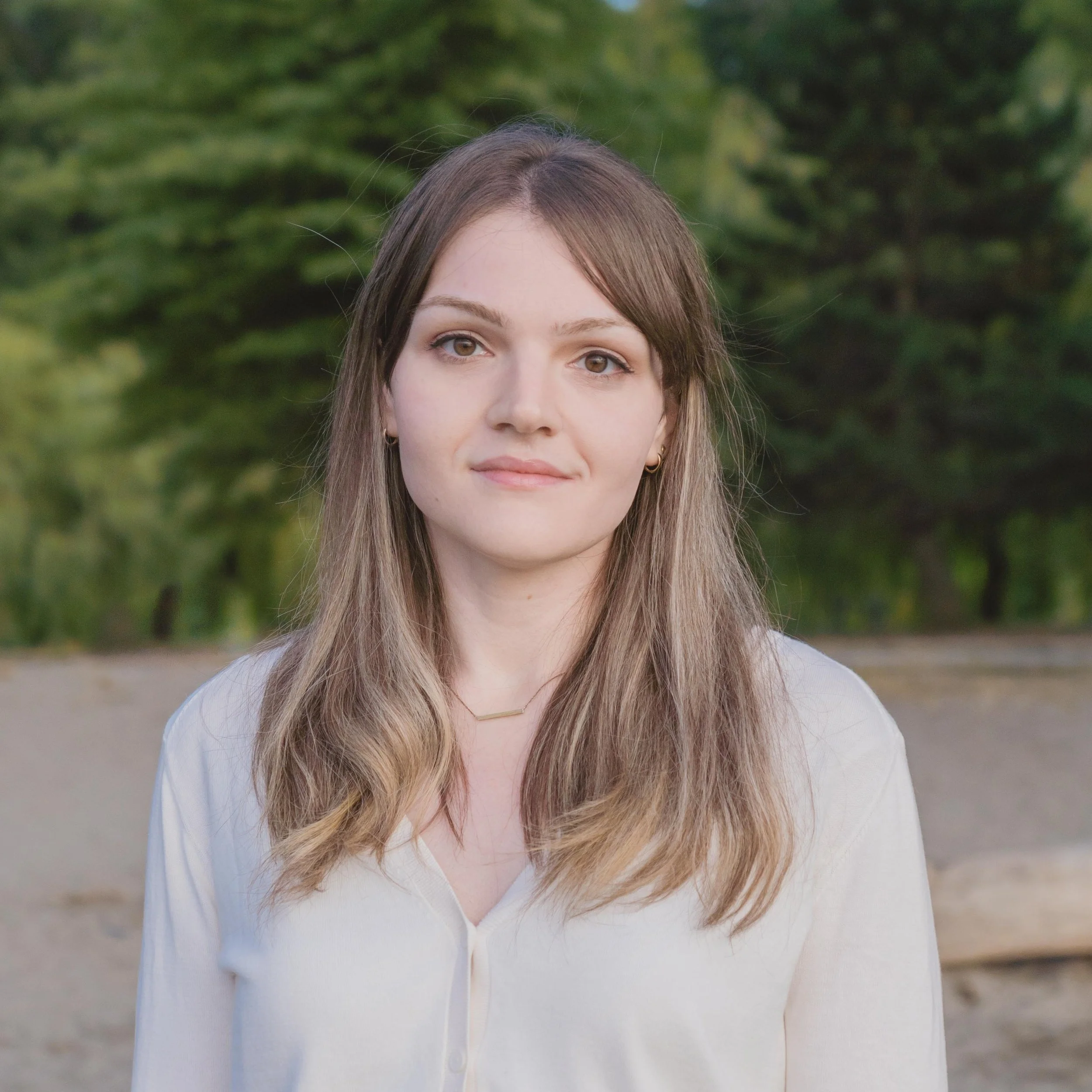
What causes bus bunching in NYC and how can we combat it?
New York City buses carry over 2 million riders each day, more than twice as many as any other US city. For many riders, buses are the main way to reach important destinations like work, school, and medical appointments. However, New York City buses are often slow, late, and unreliable.
For my Siegel PiTech PhD Impact Fellowship, I partnered with Riders Alliance, a grassroots organization that advocates for transit that meets the needs of all New Yorkers. Riders Alliance was interested in how optimizations to the bus schedule could reduce “bus bunching” and improve reliability.
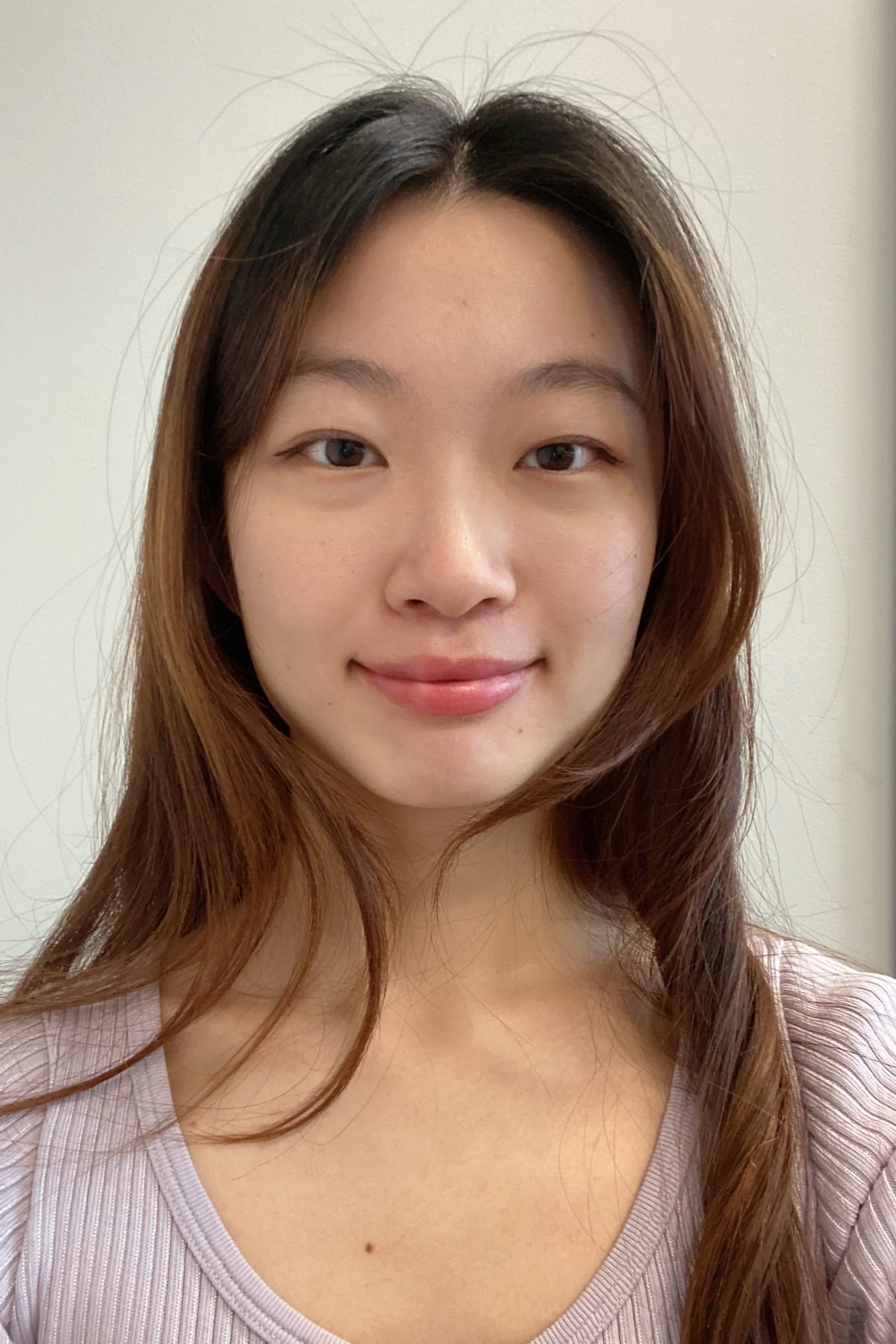
Consumer-First AI: Designing Consent & Personalization in AI Systems
In the summer of 2025, I joined the Innovation Lab at Consumer Reports (CR) as a Siegel Family Endowment PiTech PhD Impact Fellow. I was tasked with designing consent and personalization features for AI systems centered on consumer interests and agency.

Designing Service Metrics for Public Facilities at the NYC Department of City Planning
As a Siegel PiTech PhD Impact Fellow, I spent the summer working with the Capital Planning and Support team at the New York City Department of City Planning (DCP). My project was to design service metrics for facilities in the city to determine how well they are serving their local population.

Introducing the 2025 Siegel and Rubinstein PiTech PhD Impact Fellows: Our most ambitious summer yet!
PiTech is excited to kick off another summer for the PiTech PhD Impact Fellowship— our most ambitious one yet!
The program has more than doubled in size this year, growing from 10 to 21 fellowship placements. This expansion reflects a rising recognition among students and public interest organizations of the value in bringing together cutting-edge expertise and responsible tech perspectives into the non-profit and public sectors.
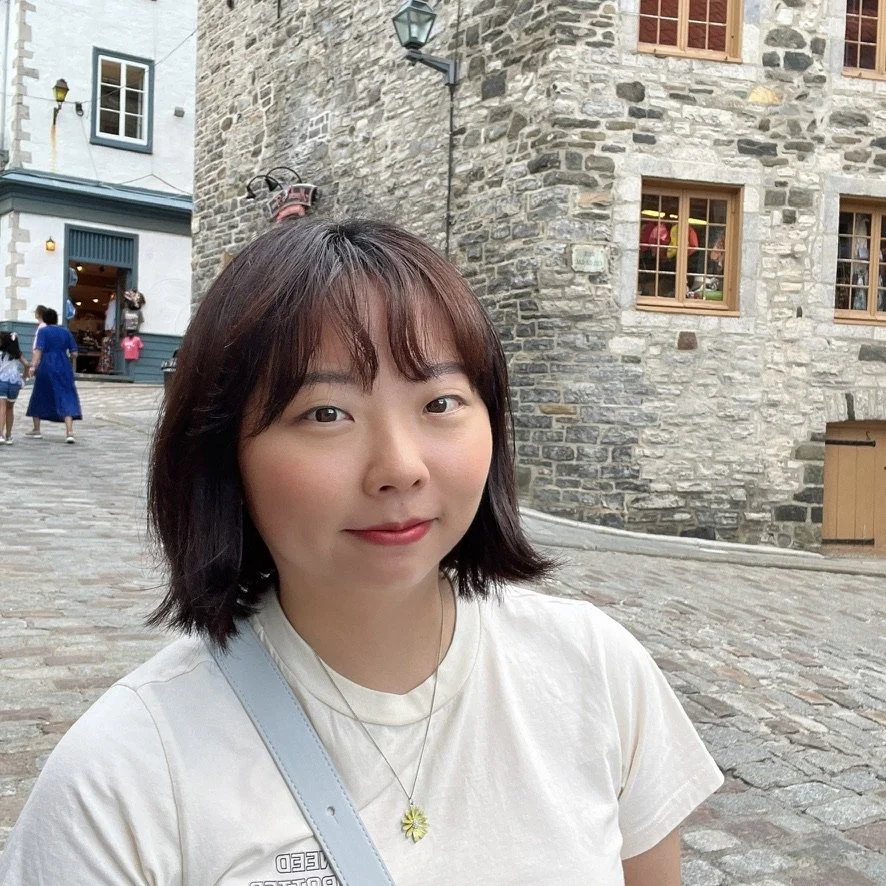


Welcoming Kate Nicholson, PiTech’s new Director of Programs and Partnerships, Joining Us From Civic Technology Nonprofit, BetaNYC
The PiTech Initiative is thrilled to welcome Kate Nicholson, PiTech’s new Director of Programs and Partnerships!
“Public interest technology (PIT) is a broad field, united by the goal of prioritizing community needs in technological processes and development to advance society. I look forward to creating pathways for students and the Cornell Tech community to demonstrate that commitments to PIT can transform lives and address complex societal challenges here in New York City.”
