
Reimagining the Visit at the National Women’s Hall of Fame
Written by Nanyi Jiang

A Growing Hall in a Historic Mill
The National Women's Hall of Fame is a nonprofit museum in Seneca Falls, New York, dedicated to celebrating the achievements of American women. It has honored more than 300 inductees since 1969, and a new class joins every year. The Hall is now housed in the restored 1844 Seneca Knitting Mill, and it is preparing to open more of that space alongside its 2026 induction class.
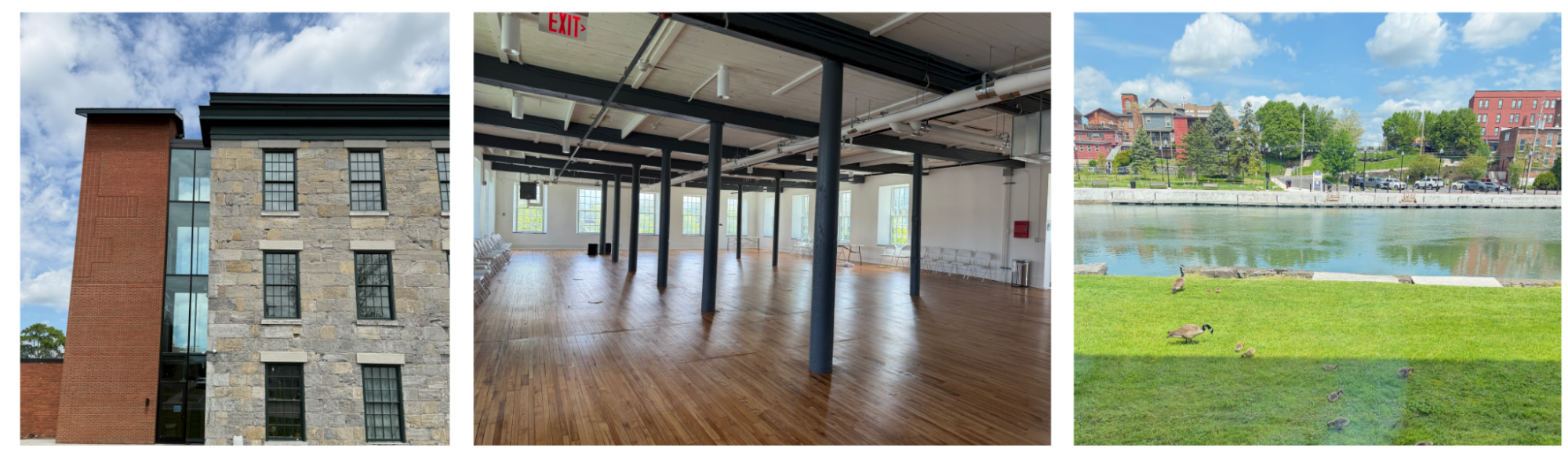
Figure 1: the external facade of the renovated building, the internal space and the rich nature around the museum.
Over the summer, I worked on two challenges from the Hall. The first is the limited gallery space for a growing number of inductees. The current exhibition shows only inductee names on long rolls of paper, which offers very limited information about their lives and achievements. The second looks forward to future Hall experiences. As the Hall prepares to open more spaces in the mill, it is also asking what a future visit could feel like: how might emerging technologies like AI and interactive exhibits reshape the museum experience? And what is the ethical and responsible way of applying these technologies to archival data?
A Glimpse into Three Possibilities
As a Siegel PiTech PhD Impact Fellow, I spent three months with the Hall as the designer and builder on the project, meeting weekly with Dr. Kristen Oehlrich (CEO/Executive Director) and Julie Bazan (Director of Operations). I proposed a range of scenarios for future museum experiences and built three of them as working prototypes, forming an arc that follows a visitor through the building.
Breadth: the Inductee Hub. The visit opens with a touchscreen kiosk where visitors can browse all 300+ inductees, pulled live from the Hall's website and organized by fields of achievement including arts, science, government, athletics, and more. This prototype addresses the challenge of limited physical space and a growing number of inductees. Beyond displaying information, the Hub also invites participation and engagement with the community. In a feature called Create Your Own Class, visitors can assemble their own “induction class” from the women who inspire them—a mini knowledge base that visitors and researchers can bring back home. At the end of the Hub experience, visitors can also imagine themselves as a future inductee by taking a photo on the screen.
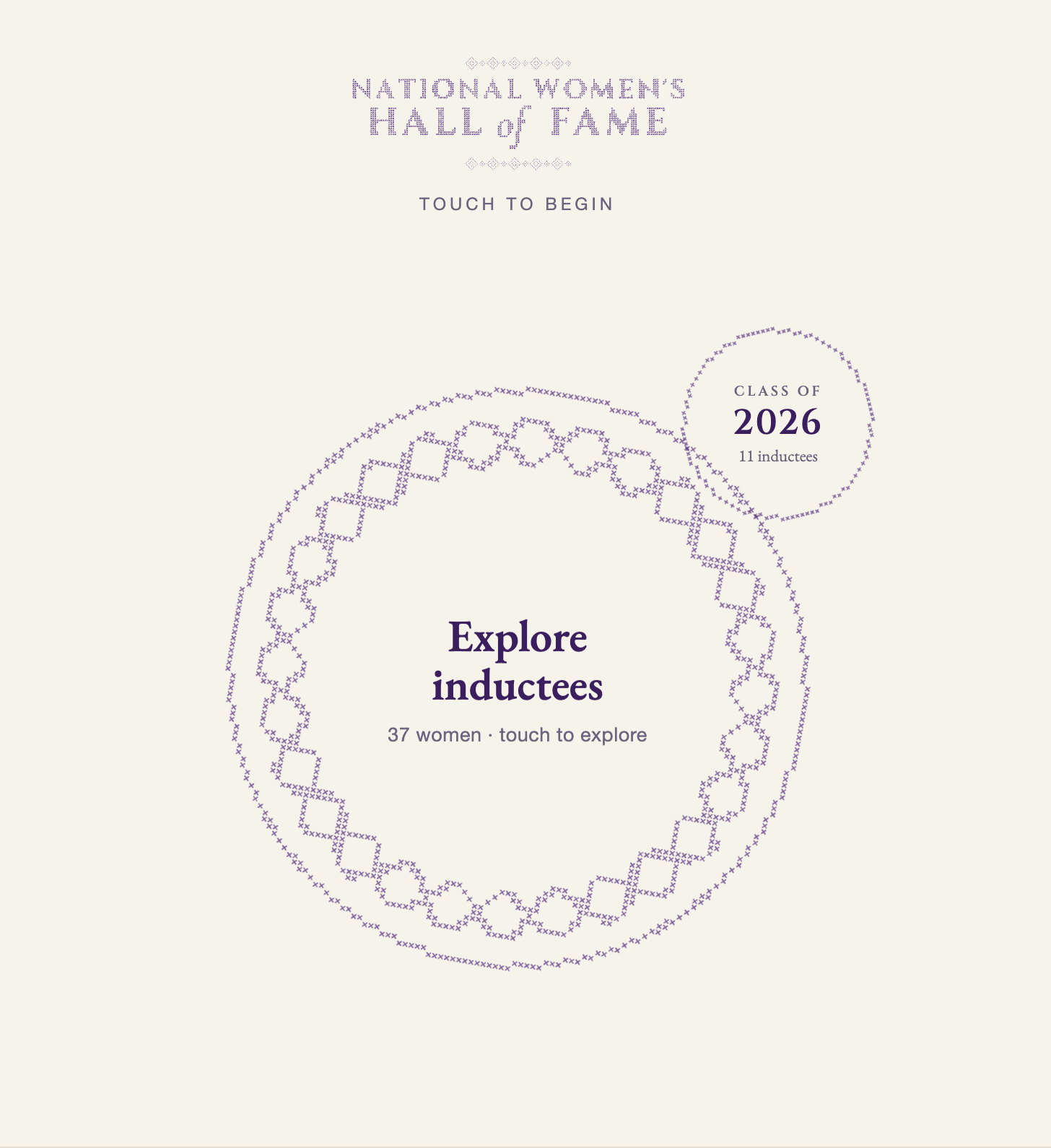
Figure 2: Screenshots of the Inductee Hub prototype
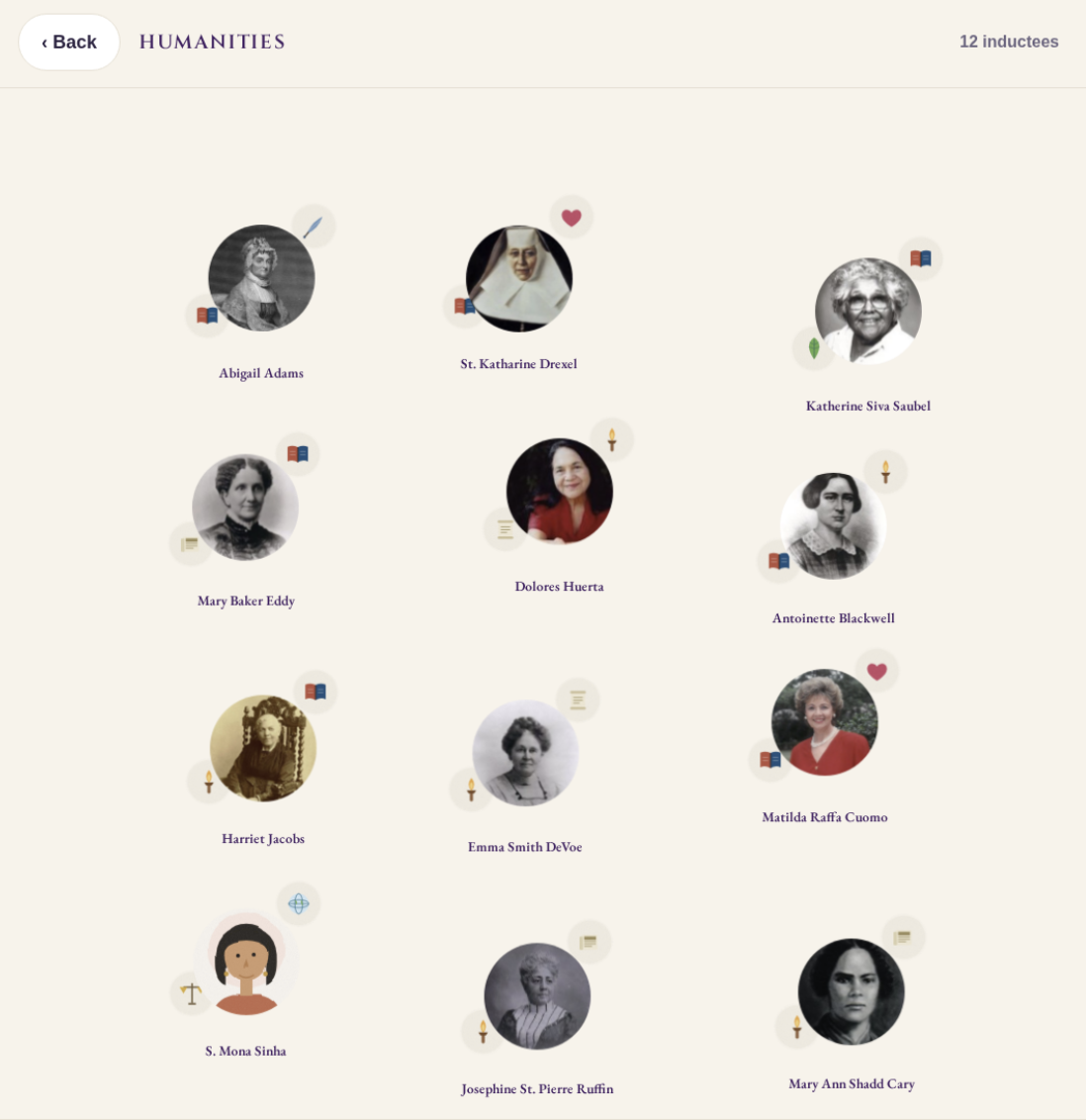
Figure 3: Screenshots of the Inductee Hub prototype
Depth: the Rachel Carson Lens. While the Inductee Hub gives an overview of all the inductees, the second prototype goes deeper on a single inductee; I chose to work with Rachel Carson as the example. Visitors place NFC-enabled physical objects, such as a field notebook or a sea shell, to unlock chapters of Rachel Carson's story on screen.
Participation: the Growing Grove. The visit closes with a shared artifact. Each visitor can take part in growing leaves and flowers on a tree: leaves gathered from the neighborhood by museum staff or by visitors themselves are decorated and added to a communal tree that grows on screen over the course of the day, then begins again the next morning. Beyond leaving with a photo of a plaque, visitors leave having built something together.
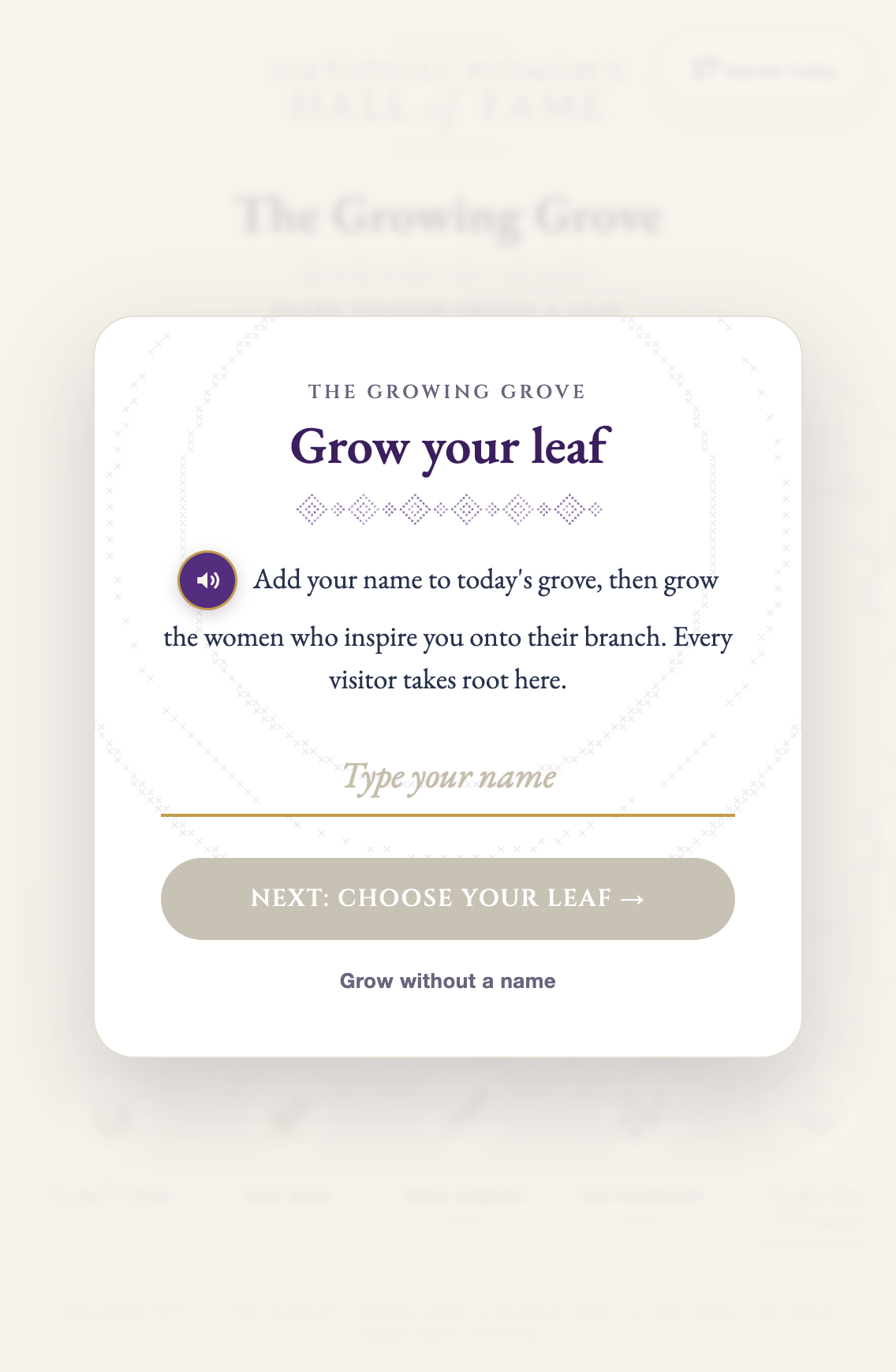
Figure 4: Screenshots of the Growing Grove
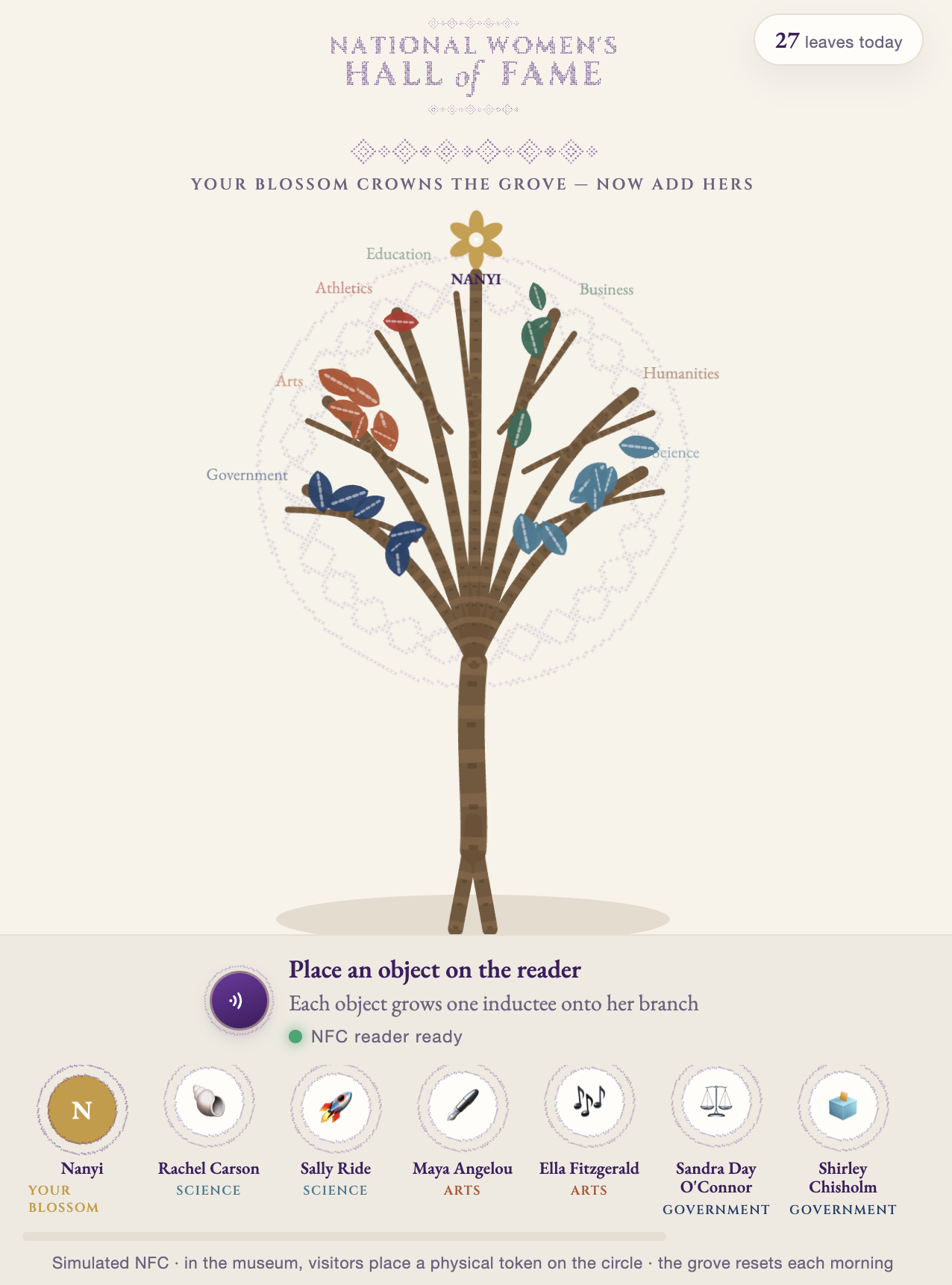
Figure 5: screenshots of the Growing Grove
Methodology and Tools
The project followed an iterative co-design process. After visits to the hall and other museums with inspirations, I proposed scenarios as Figma sketches and slide decks. In weekly meetings with Dr. Oehlrich, we reviewed them together and promoted the most promising ideas into working prototypes. Technically, all three prototypes are self-contained web applications in HTML, CSS, and vanilla JavaScript in a single file, with D3.js driving the floating, thread-like layouts. They currently run full-screen in an ordinary browser for sharing of the prototypes with museum staff and can be also alive on museum hardware with little installation required. The Inductee Hub pulls the live roster from the Hall's website and caches it locally, falling back to an embedded dataset so the kiosk never goes blank offline. AI is used transparently for organizing inductees into fields of achievement and generating placeholder portraits under a rule that the system may connect and contextualize sourced facts but never fabricate a real inductee's words or likeness. Each prototype was validated with automated end-to-end test harnesses before handoff.
Design with the Context
A quieter part of the work was making the technology feel at home. I also worked on an alternative visual identity for the Hall, borrowing stitch and lace motifs from the building's own textile history as a knitting mill. The prototypes are therefore not only functional pieces; they also carry historical meaning from the community and the environment.

Nanyi Jiang
Ph.D. Student, Information Science, Cornell University
Looking Ahead
The working prototypes have been handed over to the Hall and will be presented to board members to showcase the possibilities of technology in future museum experiences. As the Hall prepares to welcome its 2026 class into the mill, I hope these three prototypes offer a blueprint for how a small museum with a big mission can honor everyone it exists to celebrate. I am grateful to Dr. Oehlrich, Julie Bazan, and the Hall's board for treating a fellow's prototypes not as demos, but as a way of seeing the museum's next chapter.