
Modeling Real Consumer Learning: How Households Adapt to Alternative Electricity Rates
Written by Ke Xin (Sherry) Zuo
The Challenge
The electric utility industry faces an unprecedented transformation as policymakers push aggressive electrification goals to combat climate change. Electric heat pumps (EHPs) are central to this transition, offering highly efficient alternatives to gas heating and cooling systems. However, their success depends on electricity rate design that makes them economically attractive to consumers. Traditional energy modeling assumes rational, fully-informed consumers who immediately adopt optimal behaviors when presented with new rate structures. But real households don't work this way. They learn through trial and error, balancing financial savings against comfort and convenience trade-offs. This behavioral gap creates a massive misalignment between theory and practice that undermines our ability to predict actual adoption rates or estimate realistic demand response impacts.
As a Frederick and Susan Rubinstein PiTech PhD Impact Fellow this summer with Switchbox, I explored whether policy interventions in the form of varying electricity rates can push EHP adoption from current levels to targets needed for decarbonization. For this, I developed a building-level consumer behavior modeling framework that goes beyond traditional economic assumptions of utility-maximizing behaviour to capture how real families adapt to rate signals through experience and learning.
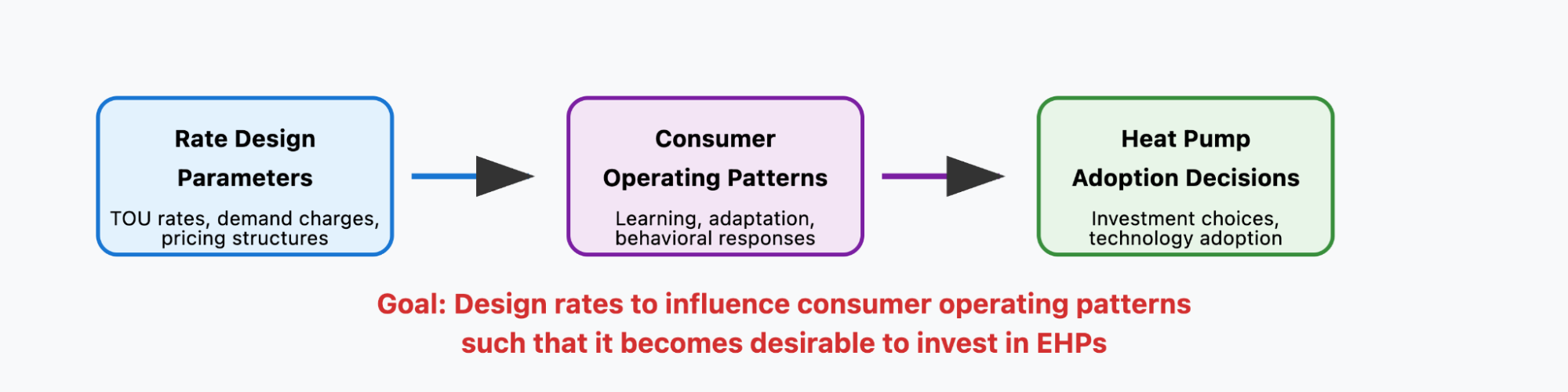
Figure 1: The Market Transformation Challenge
To address this multifaceted challenge, I developed a three-part framework that captures the interconnected dynamics of rate design and EHP adoption:
Task A: Consumer Behavior Modeling - Simulate realistic household decision-making given retail prices and installed technology specifications.
Task B: Rate Design Optimization - Design varying electricity rates in a way that minimizes costs for consumers, ensures equity, or and accelerates EHP electrification
Task C: Heat Pump Adoption Modeling - Model household investment decisions by weighing installation costs, consumer preferences, convenience trade-offs, and expected operational savings based on learned usage patterns from Tasks A and B.
This modular approach enables iterative analysis where consumer learning (Task A) informs optimal rate design (Task B), which in turn influences technology adoption incentives (Task C), creating a comprehensive framework for evaluating varying electricity rates as a policy intervention.
Implementing a Consumer Response Framework
My primary focus this summer was on developing a consumer behavior model that aims to capture how families actually learn and adapt to electricity rates given access to programmable household technologies. Currently, most U.S. households do not have access to automated home-energy management systems that can optimally respond to rates in real time, but they are able to make changes to their consumption patterns given programmable controls like charging schedules (Figure 2.) The framework produced realistic predictions of household energy behavior that can inform effective rate design and EHP policy interventions.
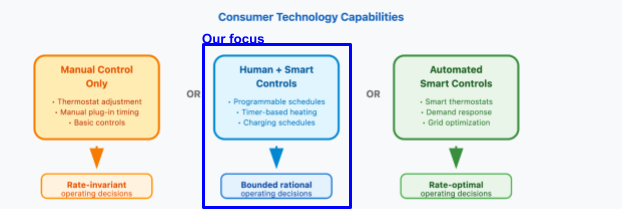
Figure 2: Range of Consumer Response Capabilities
I developed a behavioral model where households experiment with different actions - much like an “explore a little, stick with what works” approach - to gradually discover energy-saving strategies based on comfort, bills, and routine (see Figure 3.) The model distinguishes between technologies that may all be programmable but operate very differently in practice, capturing the unique control options and data inputs for heat pumps, water heaters, and EV charging. These behaviors are integrated with NREL’s OCHRE and ResStock simulations, which provide detailed, hour-by-hour representations of how real buildings respond to weather, equipment performance, and household activity.
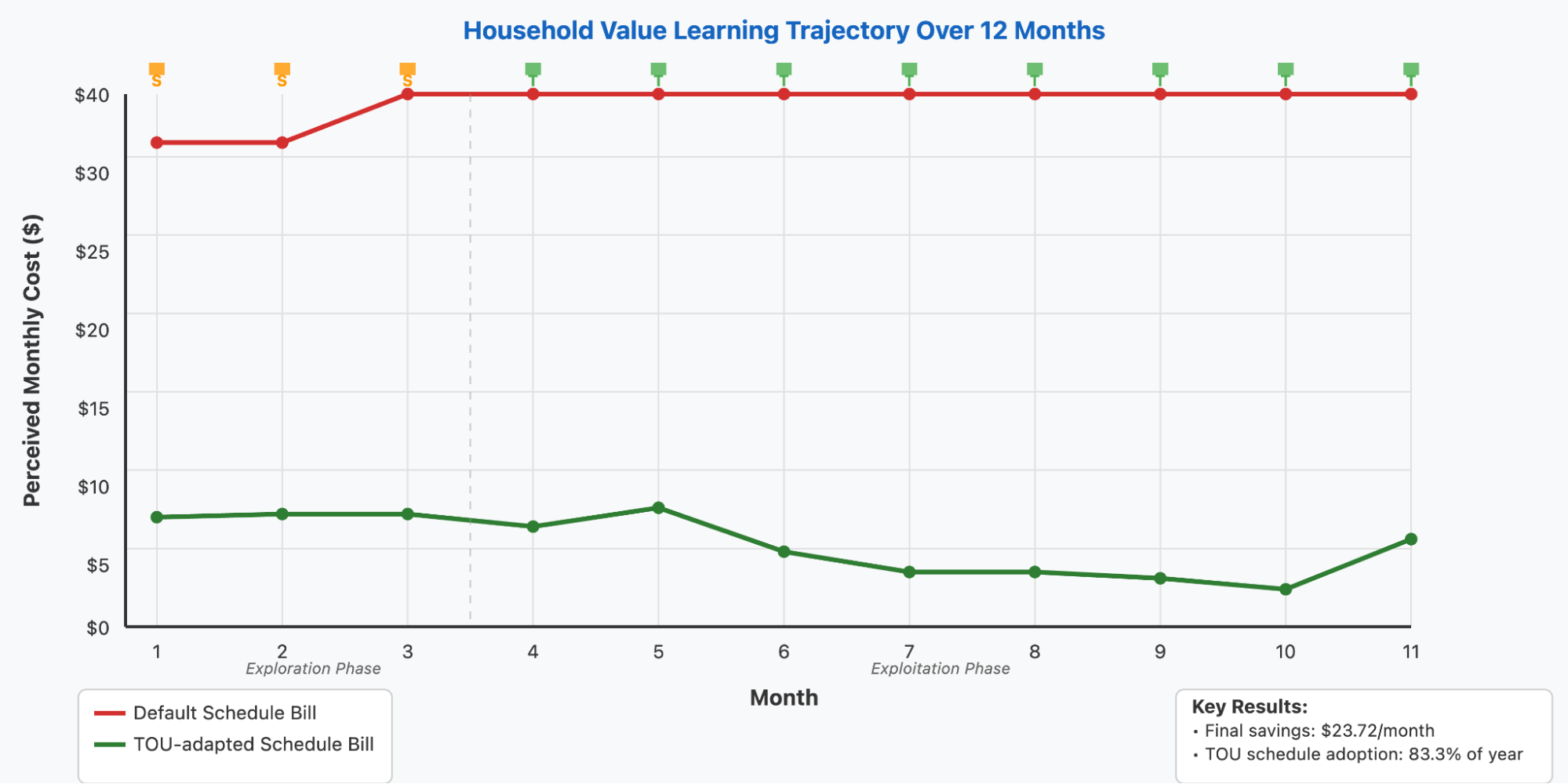
Figure 3: Learning of Water Heating Costs and Rate-friendly Schedule
With this framework in place, we can now explore questions that were previously difficult to answer. We can see how different types of households learn to adapt their energy use, and how quickly those adaptations emerge. We can compare how much flexibility different technologies actually provide, rather than assuming they behave ideally. And most importantly, we can evaluate which electricity rate designs encourage helpful, cost-saving behavior, whether a household is highly engaged, barely responsive, or somewhere in between.
This helps reveal a fuller picture of electrification: not just how technologies perform in theory, but how real people interact with them, and what kinds of rate structures can make clean, efficient technologies more appealing and more affordable for everyone.
Policy Implications: Extensions to Bill Alignment and Rate Design
The Bill Alignment Challenge
Building on my behavioral learning framework, I then analysed existing rate frameworks and how they impact consumers’ bills under a realistic behavioural model. In the next phase of my project, which I am conducting in Fall 2025 as a PiTech Rubinstein Innovation Fellow, I want to optimize rate structures themselves. This involves modeling how different rate designs interact with household learning behaviors to achieve three critical objectives: 1) minimize peak load on the grid, 2) ensure equity so vulnerable populations aren't disproportionately burdened by rates they can't effectively respond to, and 3) maintain utility revenue that allows for sustainable operations.
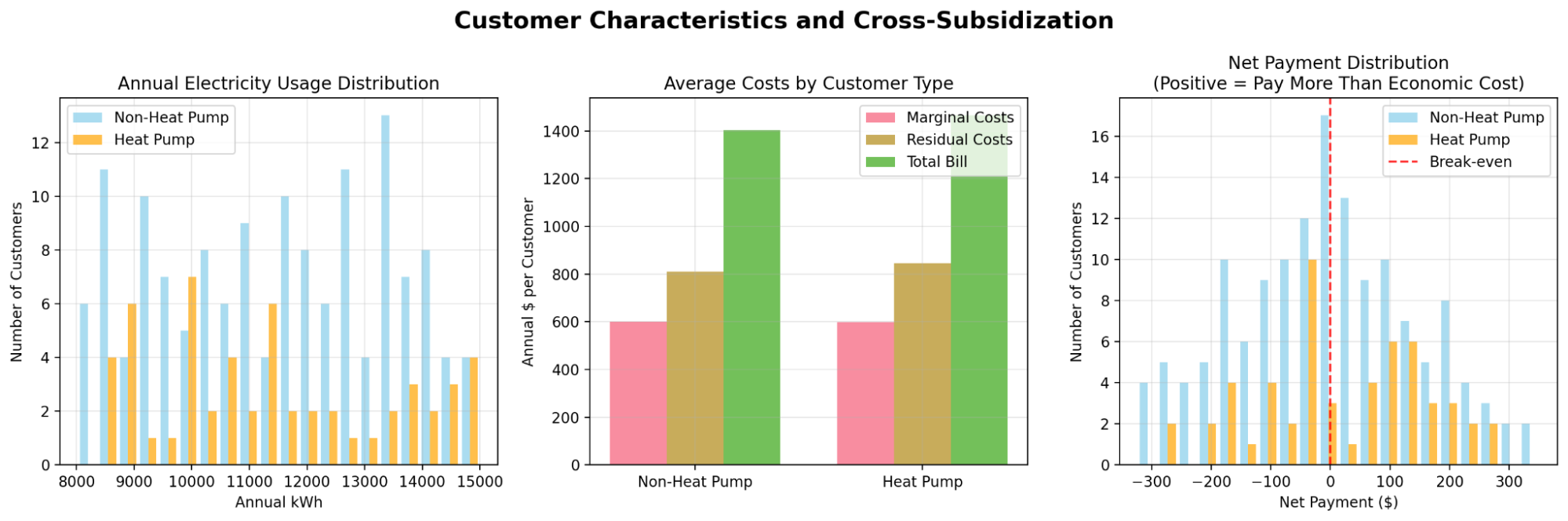
Figure 4: Example of Bill Alignment Outcomes (HP vs non-HP)
Broader Implications

Ke Xin Zuo (Sherry)
Ph.D. Student, Operations Research and Information Engineering, Cornell University
Rather than assuming consumers will respond optimally to price signals, my work validates that we must design electricity rates that work with how people actually learn and adapt. The framework I designed this summer helps utilities move beyond one-size-fits-all approaches and toward rate structures that recognize the diversity of household capabilities and constraints.
The ultimate goal would be to create electricity rates that effectively manage grid needs while remaining accessible and beneficial across different household types. This creates a more equitable and effective path toward demand flexibility and building electrification.
As we face the urgent challenge of decarbonizing buildings - which account for nearly 40% of US energy consumption - getting rate design right isn't just an academic exercise. It's essential for achieving climate goals while maintaining grid reliability and customer equity. The Switchbox simulation platform's open-source nature ensures my project’s insights can inform rate design decisions nationwide, accelerating the transition to efficient electric heating and cooling.