
2026 PiTech Impact Studio: What Students Built This Year
PiTech Impact Studio is Cornell Tech's practicum course dedicated to building technology in service of the public good. Working alongside nonprofits, city agencies, and social ventures, multidisciplinary teams of graduate students spend the Spring semester building technical products to serve their partners’ missions.
This year, co-instructors Matt Klein (Robin Hood Foundation) and Ariel Kennan (Beeck Center for Social Impact & Innovation) guided student teams through the full arc of the work: from scoping and stakeholder mapping, to prototyping, testing, and final handoff. Projects addressed family policing advocacy, workforce development, college course access, affordable housing policy, constituent services, homeless services navigation, family shelter operations, and food bank delivery logistics. All of the projects aimed to expand opportunity and address poverty in New York City and involved working closely with partner organizations to translate complex operational and policy challenges into tools that the organizations could incorporate into their workflow.
Keep reading below to see what the student teams built with their organization partners.
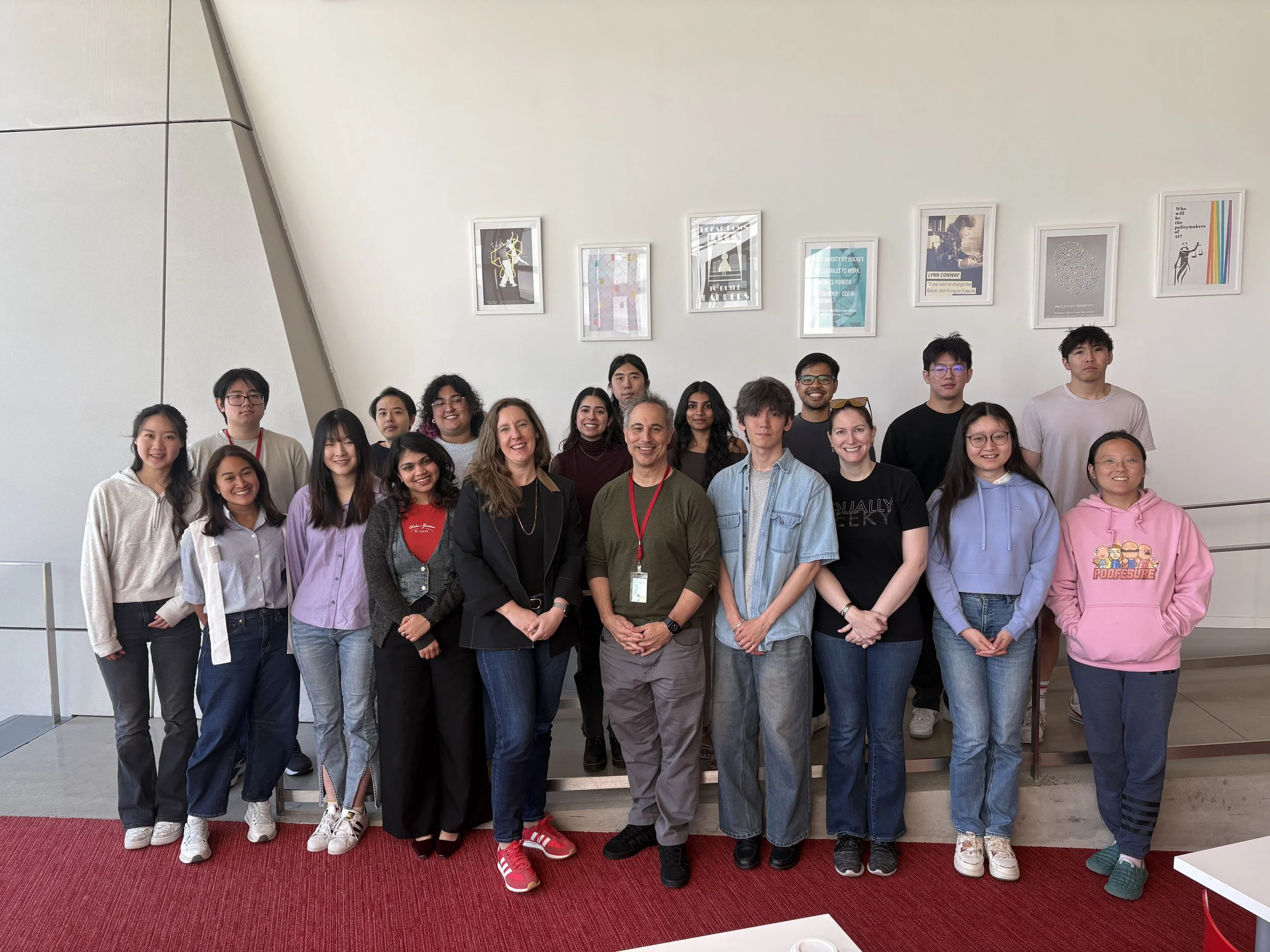
2026 PiTech Impact Studio, Maker Day 3 (Part 1)
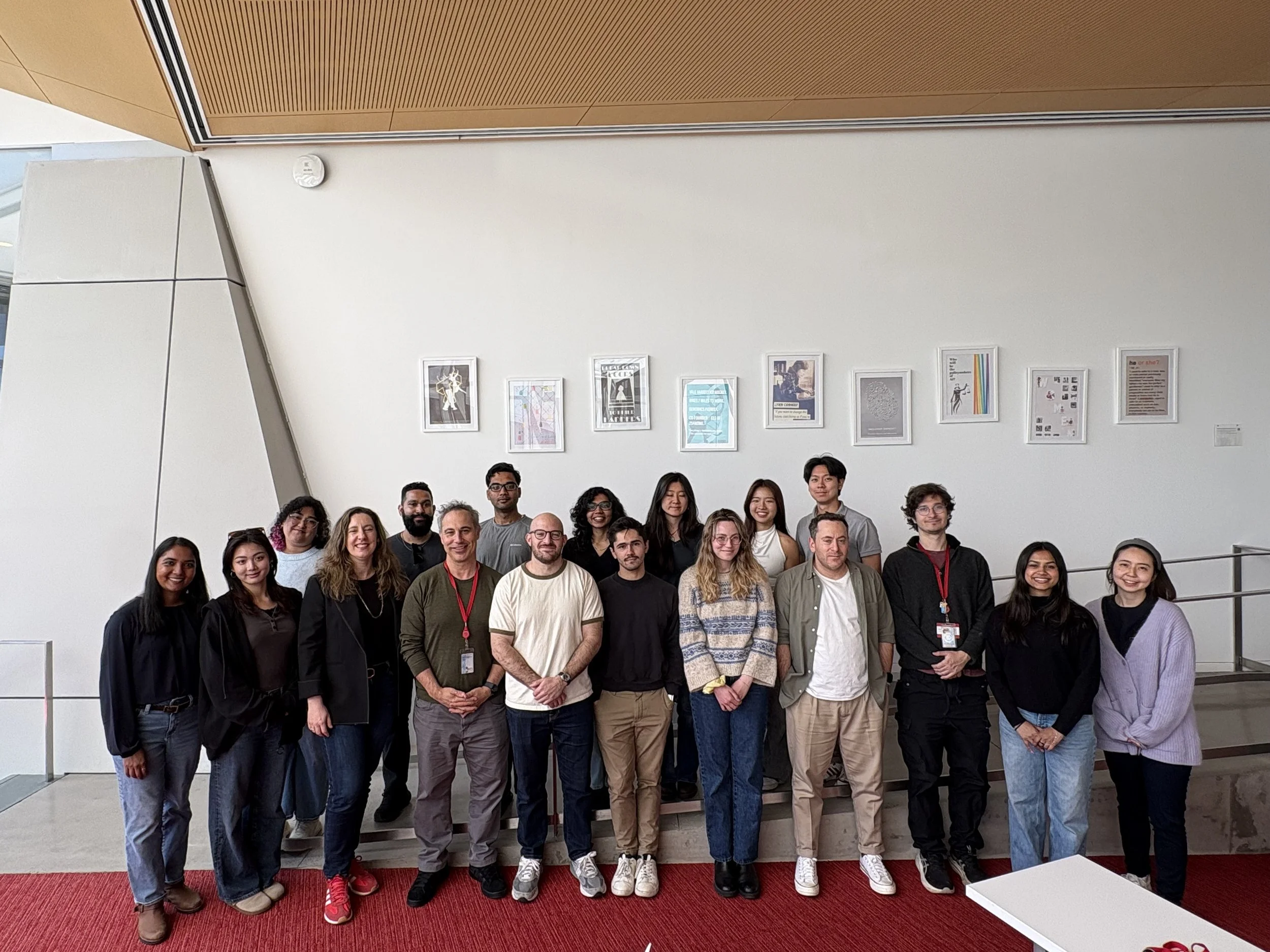
2026 PiTech Impact Studio, Maker Day 3 (Part 2)
Black and Latino children in the South Bronx are more than twice as likely to be reported to the Administration for Children's Services (ACS). To effectively communicate both the human impact and the scale of this disparity, The Bronx Defenders’ communications and legal teams needed a way to combine data and personal stories for a broad audience, from the public to policymakers and the press.
The team built a modular scrollytelling tool that lets BxD staff create and publish data-driven narrative stories without any coding. Each story weaves together data visualizations and anonymized client accounts, and can be customized for different audiences and shared as a standalone link. Stories are living documents, and when laws change or cases evolve, staff can update content without starting over. The result is a reusable framework that puts storytelling in BxD's hands.
Manually planning efficient routes for a fleet of trucks across dozens of daily stops is a complex task.
The team built a tool for Food Bank for New York City that automates the process using Google's open-source vehicle routing algorithm, with configurable parameters for delivery windows, wave structure, and truck capacity. Staff can also model proposed operational changes and compare two route plans side by side, making it easier to evaluate a route’s efficiency and other implications before committing to any changes.
The HOPE Program helps New Yorkers facing systemic barriers, such as health disparities, racism in hiring, criminal legal system involvement, and the digital divide, build sustainable careers, but matching participants to job opportunities is a manual, time-consuming process. Coordinators have to piece together information across Salesforce and Google Drive, relying on individual judgment rather than a standardized workflow.
The team developed JobConnect, a web-based platform that brings participant and job data into a single system and surfaces opportunities tailored to each individual's skills, goals, and preferences. By syncing with Salesforce in real time, JobConnect supports coordinators during advising sessions, making the matching process more efficient and consistent while preserving the human relationships at the center of the work.
National Education Opportunity NetworK (NEON)
NEON delivers college credit-bearing courses from top universities into Title I high schools nationwide, expanding college access and economic mobility for students of color and low-income households. With hundreds of partner schools nationwide, NEON needed a more scalable way to forecast enrollment and identify struggling school partnerships before they became critical issues.
The team built a forecasting dashboard that predicts enrollment, flags schools by risk level, and produces weekly action recommendations, along with a partner health dashboard that surfaces early warning signs and helps staff proactively strengthen partnerships.
National Low Income Housing CoalitioN (NLIHC)
NLIHC's State & Local Research team spends hours manually monitoring legislative sources across dozens of jurisdictions to keep three public databases current— time that could go toward analysis and advocacy.
The team built a dashboard that automates the process: live bill collection from the LegiScan API, keyword filtering, AI relevance scoring via a locally-run language model, and structured export for database updates. A web scraping component extends coverage beyond LegiScan to additional sources.
NYC Council Member Virginia Maloney
To better understand constituent needs and inform policymaking, Council Member Maloney’s office sought tools to analyze requests, track emerging issues, and improve responsiveness.
The team delivered a CRM analytics dashboard that reveals trends in constituent inquiries, a daily AI-generated audio news brief customized to District 4 issues, and an AI governance policy brief with recommendations for advancing responsible AI adoption and oversight at the city level.
People experiencing homelessness often struggle to find reliable information about available services. Outdated listings, complex eligibility rules, and inaccurate AI-generated recommendations can create significant barriers to accessing support.
The team built a conversational chatbot that guides users to verified services they qualify for. To minimize misinformation, the system relies on structured data retrieval rather than open-ended content generation, while also detecting crisis situations, providing tailored support resources, using trauma-informed language, and protecting user privacy through automatic PII redaction.
At WIN, New York City's largest provider of family shelter and supportive housing, senior leaders often rely on manually compiled reports to track progress and make decisions.
The team designed a centralized dashboard that aggregates key performance metrics, goal tracking, alerts, and trend data into a single interface. The dashboard provides leaders with real-time visibility into organizational performance and reduces the need for manual reporting or analysis, helping them make faster, more informed decisions.
We'd like to give special thanks to our partner organizations: Bronx Defenders, Council Member Maloney, Food Bank for NYC, The HOPE Program, National Low Income Housing Coalition, National Education Opportunity Network, Streetlives, and Women in Need. Thank you for opening your doors and trusting our students to contribute to your missions!